Space weather today
Slightly unsettled — but nothing that will change your day.
Bottom line: Unsettled
The next few days
- ThursdayActiveThursday looks active — a minor (G1) geomagnetic storm is likely.
- FridayQuietFriday should stay quiet.
- SaturdayQuietSaturday should stay quiet.
What it means for you
Health
For sensitive bodiesA mild uptick in activity. Most people won't notice a thing; the sensitive few may feel just a touch off.
Mood & mind
Mental & emotionalEnergy is a little restless. If you're sensitive to the sun, take it as a gentle heads-up, not a warning.
Preppers & radio
Grid, GPS & HF radioAll systems normal. No radio, GPS, or grid impacts are expected.
Spiritual
Energy & aurorasA subtle stir in the sun's energy — a good moment to check in with yourself.
Get the free weekly forecast
Plain-English space weather in your inbox — what's coming and what to do about it.
Get the free weekly forecastUpdated about 4 hours ago · Source: NOAA SWPC
The Weekly Solar-Weather Forecast
A fresh forecast is on its way. Subscribe and we'll send the next one straight to your inbox.
Get it free every week
Plain-English space weather and simple prep tips — no spam, unsubscribe anytime.
For the curious: the raw data
The full instrument panel below is the same live imagery and NOAA readings we've always shown — now tucked under the plain-English summary above.


| NOAA Scale | Past 24 hrs | Current |
|---|---|---|
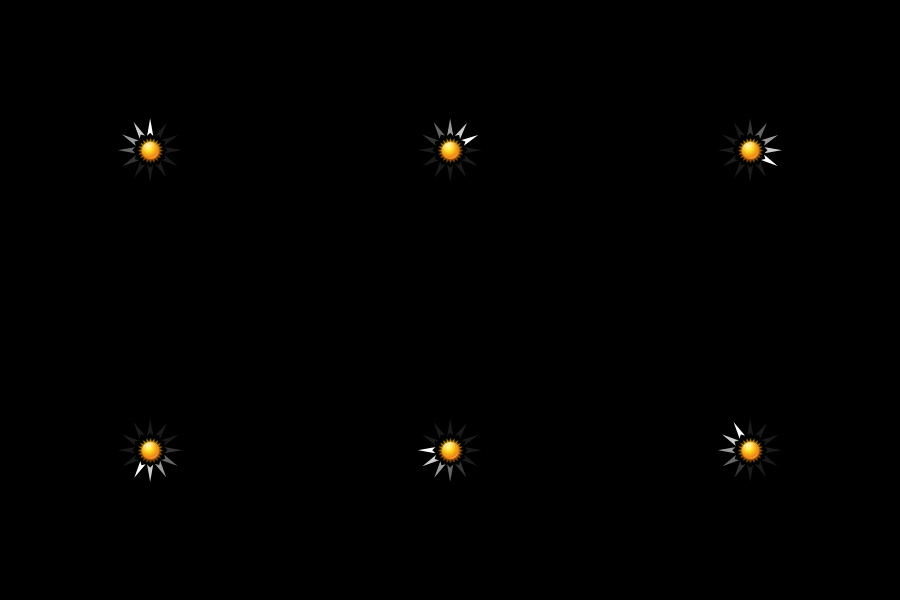
| Geomagnetic Storms | G1 | G0 |
| Solar Radiation Storms | S0 | S0 |
| Radio Blackouts | R0 | R0 |
Average over last 15 minutes
Geomagnetic storms are a natural hazard, like hurricanes and tsunamis. Severe geomagnetic storms cause communications problems, abruptly increase drag on spacecraft, and can cause electric utility blackouts over a wide area. This NOAA ACE information gives about a one hour advance warning of impending geomagnetic storm activity.